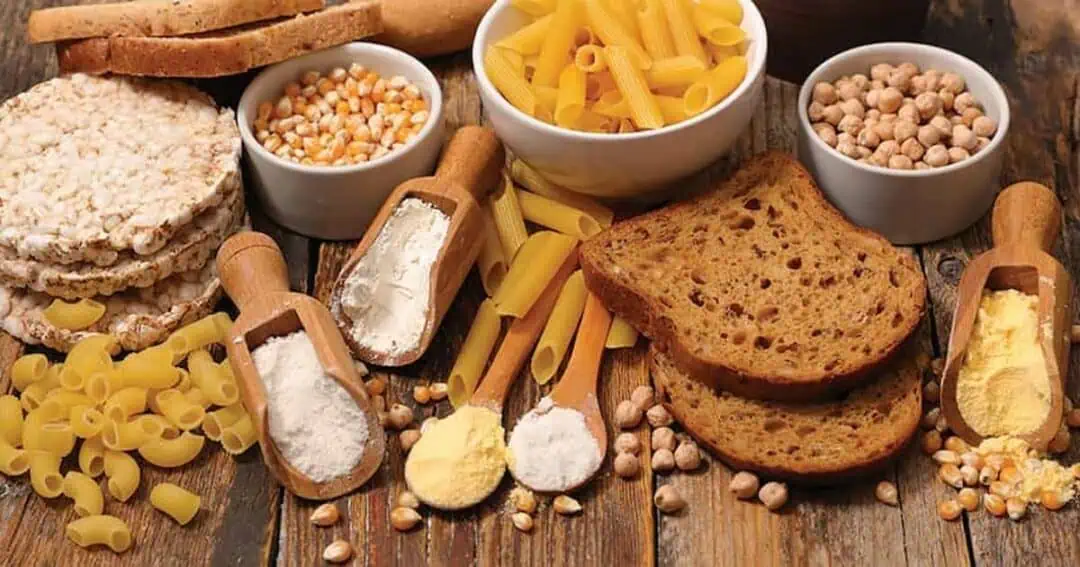
People think gluten-free means healthier (it doesn't always), and food marketers think those people will pay more for foods with a gluten-free label (they often do). This, in turn, has contributed to the massive growth of the gluten-free market.
According to Dr. Daniel A. Leffler, Assistant Professor of medicine at Harvard, “People who are sensitive to gluten may feel better, but a larger portion will derive no significant benefit from the practice. They'll simply waste their money, because these products are expensive.”
What is Gluten?
Gluten is a protein in grains like wheat, barley, and rye that acts as a binder, giving foods like bread their chewy texture, but it's harmful to individuals with celiac disease, an autoimmune disorder where gluten triggers an immune attack on the small intestine, damaging its lining and preventing nutrient absorption. It's also problematic for those with non-celiac gluten sensitivity or a wheat allergy, causing symptoms like bloating, pain, diarrhea, and headaches, though not the severe intestinal damage seen in celiac disease.
Why It's Harmful (For Some People)
Celiac Disease:
An auto-immune condition where gluten (specifically gliadin) is mistakenly identified as a threat, causing the immune system to attack the small intestine's lining (villi). This damage impairs nutrient absorption, leading to malnutrition and other symptoms.
Non-Celiac Gluten Sensitivity (NCGS):
People experience adverse reactions to gluten (like bloating, pain, fatigue, headaches) without the autoimmune damage or antibodies found in celiac disease.
Wheat Allergy:
An allergic reaction to wheat proteins, which can range from mild (hives) to severe (anaphylaxis).
Common Symptoms of Gluten Issues
Digestive problems: Bloating, diarrhea, abdominal pain, constipation.
Fatigue, headaches, joint pain, skin rashes.
Who Should Avoid Gluten?
- People diagnosed with celiac disease.
- Individuals with diagnosed non-celiac gluten sensitivity.
- Those with a wheat allergy.
For most people without these conditions, gluten is not inherently harmful and provides nutrients.
If you have celiac disease, ask a pharmacist about ingredients in:
– herbal and nutritional supplements
– prescription and over-the-counter medicines
– vitamin and mineral supplements
Do not self-diagnose. If you think you have celiac disease or gluten sensitivity, talk to your doctor about testing before you start a gluten-free diet. This is the only way to ensure accurate test results and protect your long-term health.
Read more at celiac.org - Non-Celiac gluten sensitivity
Celiac disease

Celiac disease is a digestive disease that damages the small intestine and interferes with absorption of nutrients from food. When people with celiac disease eat foods containing gluten, their immune system responds by damaging or destroying villi – the tiny, fingerlike protrusions lining the small intestine. It is both a disease of mal-absorption-meaning nutrients are not absorbed properly – and an abnormal immune reaction to gluten. It runs in families.
However, many people who do not have these conditions are trying to eat gluten-free because they believe it will help them lose weight or give them energy.
A gluten-free diet is not necessary for the general public, and it can make it more difficult to eat a heart-healthy diet, which includes whole grains such as whole wheat bread and pasta.
Products sold with the gluten-free label may also give a sense that the food item is healthier.
Products sold with the gluten-free label may also give a sense that the food item is healthier, which is only true if you have a problem with gluten, but fewer than 1 percent of Americans do. Many gluten-free food products may contain high levels of sugar, salt, saturated fat or trans fat. Check the label.
Many Heart Associations do not have a formal position on a gluten-free diet, but recommend eating more heart-healthy foods, such as fruits, vegetables, legumes and proteins, which are naturally gluten-free. Eating that way introduces more nutrients and more fiber into your meals. Higher fiber helps reduce the risk for heart disease.
Here are a few foods that are naturally gluten-free and heart healthy
Beans (plain) ● Rice ● Buckwheat groats ● Corn ● Eggs ● Fish ● Fruits ● Legumes ● Millet ● Nuts (unsalted) ● Potatoes ● Quinoa ● Soy Beans, and pure Soy products ● Tapioca ● Vegetables ● Milk (fat-free and low-fat-less than 1 percent)
A diagnosis of gluten sensitivity is confirmed when you are not diagnosed with celiac disease or wheat allergy, and your symptoms diminish after starting a gluten-free diet, followed by a return of symptoms when gluten is reintroduced into your diet.
Don't be taken in by the people who claim to sell you ‘wonder cures’ or ‘health in a bottle’.
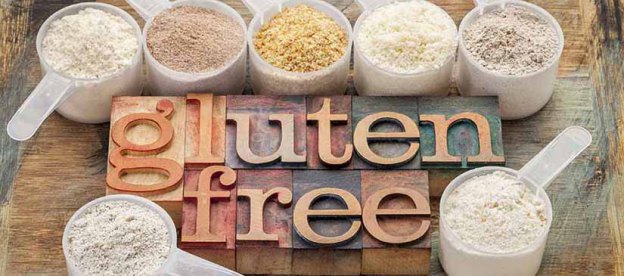
What does ‘Gluten Free’ mean?

Example of 'gluten-free' logo
Gluten-free refers to foods, drinks, or products that do not contain gluten, a mixture of proteins found in wheat, barley, rye, and triticale. It is primarily a medical diet to manage celiac disease, dermatitis herpetiformis, or non-celiac gluten sensitivity by avoiding ingredients like wheat flour, bread, pasta, and soy sauce.
Key Aspects of “Gluten-Free”:
- Definition & Levels:
Products must contain less than 20 parts per million (ppm) of gluten to be labeled gluten-free. - Natural Examples:
Naturally gluten-free foods include fresh fruits, vegetables, meat, fish, eggs, dairy, and grains like rice, quinoa, millet, and corn. - Synonyms/Terms:
"Wheat-free" (though not all wheat-free products are gluten-free), "celiac-safe", "safe for gluten-sensitive", or specifically labeled "certified gluten-free". - Hidden Sources:
Gluten can be found in processed items like soups, sauces, salad dressings, and some medications.
Following a gluten-free diet requires careful label reading to avoid cross-contamination in products like oats or processed foods.
Are there risks to Gluten Free dites for non Celiac people?
Selvi Rajagopal, MD, a specialist in internal medicine and obesity at Johns Hopkins Medicine writes: If you cut all gluten out of your diet, there’s a risk that you could miss out on nutritious whole grains, fiber and micronutrients. Getting enough whole grains in your diet is especially important if you’re at risk for heart disease or diabetes. Whole grains can lower cholesterol levels and even help regulate your blood sugar. In addition, some gluten-containing foods are sources of important vitamins and minerals, such as B vitamins, iron and magnesium.
Keep in mind that some processed gluten-free foods contain high amounts of unhealthy ingredients such as sodium, sugar and fat. Consuming these foods can lead to weight gain, blood sugar swings, high blood pressure and other problems. So, a gluten-free label doesn’t necessarily make a food healthy.
If you don’t have celiac disease or gastrointestinal irritation, Rajagopal recommends removing highly processed foods from your diet before removing gluten. Add in more fruits, vegetables, whole-grain bread or pasta, and lean proteins. Many people find they feel better just by eating better, not by removing gluten.
Read Dr. Rajagopal's article here: What is a gluten-free diet?
What has fueled the rise in Gluten-free products?
Driven by factors such as rising celiac disease diagnoses and health-conscious consumer habits, the market is expanding significantly.
According to Global Market Insights:
the global gluten-free products market was valued at USD 7.7 billion in 2024 and is projected to grow at a compound annual growth rate (CAGR) of 5.4% from 2025 to 2034. By the end of 2034, the market is expected to reach approximately USD 12.7 billion.
Gluten-Free Products Market Trends
The gluten-free products industry is experiencing significant growth, driven by evolving consumer preferences, advancements in product innovation, and regulatory developments. Below are the key trends shaping the gluten-free products market in 2024:
Rising Consumer Awareness and Health Consciousness
Consumers are increasingly aware of the health implications of gluten consumption, particularly for individuals with celiac disease or gluten intolerance. This awareness has expanded beyond medical necessity, with many consumers perceiving gluten-free products as healthier alternatives. As a result, manufacturers are focusing on creating products that cater to both health-conscious individuals and those with dietary restrictions, driving demand across various product categories.
Innovation in Product Formulation
Advancements in food technology have enabled manufacturers to improve the taste, texture, and nutritional profile of gluten-free products. Companies are leveraging alternative ingredients such as almond flour, quinoa, and chickpea flour to enhance product quality. These innovations are addressing previous consumer concerns about the taste and consistency of gluten-free products, thereby increasing their acceptance among a broader audience.
Regulatory Support and Labeling Standards
Governments and regulatory bodies worldwide are implementing stricter labeling standards for gluten-free products to ensure consumer safety and transparency. For instance, regulations mandating clear labeling of gluten-free certifications have boosted consumer confidence in these products. This trend is encouraging manufacturers to adhere to stringent quality standards, further driving gluten-free products market growth.
Expansion of Distribution Channels
The availability of gluten-free products has expanded significantly, with retailers and e-commerce platforms increasing their offerings. Supermarkets, specialty stores, and online platforms are dedicating more shelf space to gluten-free options, making them more accessible to consumers. This trend is particularly evident in developed markets, where convenience and variety are key purchasing factors.
Growing Demand for Plant-Based and Organic Gluten-Free Products
The intersection of gluten-free and plant-based trends is creating new opportunities for market players. Consumers are seeking products that align with multiple dietary preferences, such as organic, vegan, and gluten-free. This demand is driving manufacturers to develop innovative products that cater to these overlapping consumer needs, further diversifying the market.
References:
Celiac.org What Is Gluten?
Celiac.org Non-Celiac Gluten Sensitivity
Celiac.org Symptoms of Celiac Disease
GMinsights.com Gluten-Free Products Market Size & Share 2025 – 2034.