What do we mean by Intelligent Eating?
Let's explore what 'Intelligent Eating' is all about
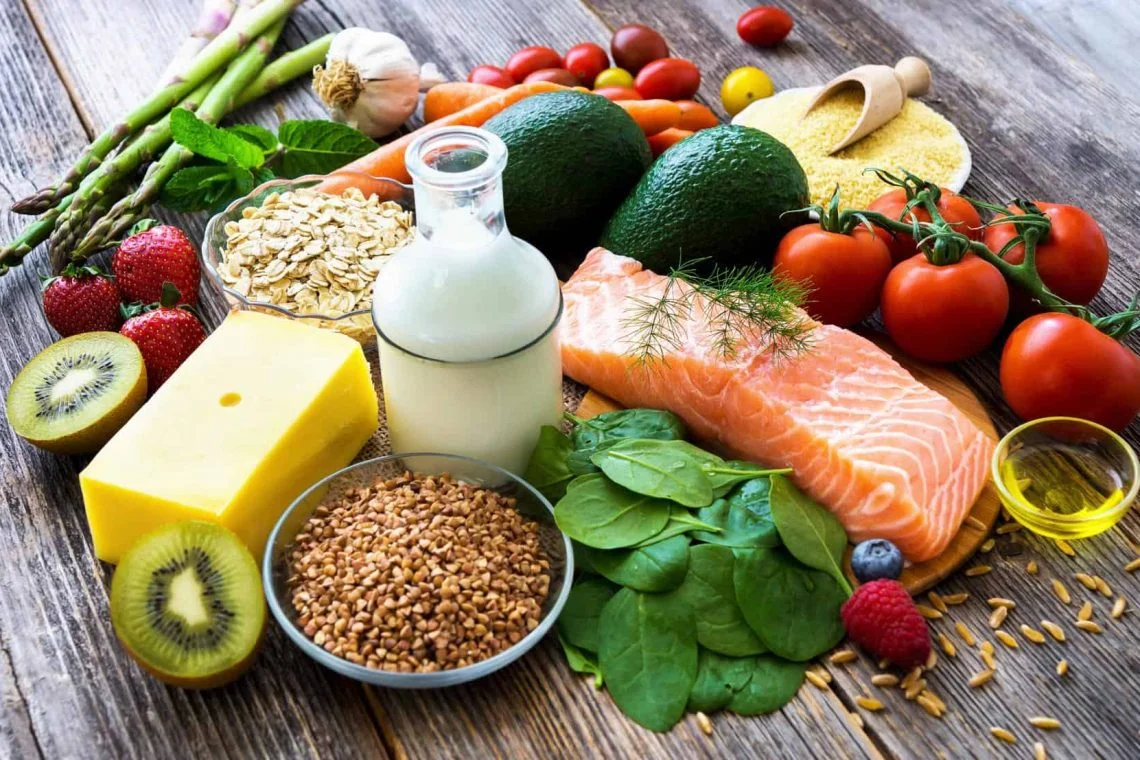
Intelligent Eating is a science-backed, mindful approach to nutrition that goes beyond simple calorie counting to focus on the quality, timing, and metabolic impact of food. It utilses the body’s natural wisdom to choose nutrient-rich foods that maximize energy, repair cells, and stabilize blood sugar.
Key aspects of intelligent eating include:
- Nutrient Density over Calories: Prioritizing foods high in vitamins, minerals, and antioxidants (e.g., whole, natural foods) rather than just counting calories.
- Metabolic Alignment: Eating in sync with the body’s natural rhythm, such as eating earlier in the day and allowing for a long overnight fast (12–14 hours) to promote fat burning.
- Blood Sugar Management: Reducing processed sugars and refined carbs to prevent inflammation and insulin resistance.
- Mindfulness & Self-Awareness: Tuning into hunger and fullness cues rather than eating out of boredom or stress.
- Strategic Carbohydrate Consumption: Consuming carbs alongside protein and fiber, often earlier in the day, to manage their impact on insulin.
Intelligent Eating vs. Other Approaches
While it shares similarities with mindful eating, “Intelligent Eating” specifically emphasizes the biological intelligence of the body and the nutritional intelligence of choosing foods that support long-term health, rather than just weight loss.
A lot of articles about diet (the foods a person habitually eats, and not just for weight loss) label foods as “good” or “bad”, but Intelligent Eaters understand that there are no “bad” foods.
Of course, some foods are full of nutrients and good for your health, while others are energy-rich but with fewer nutrients and less healthy.
Intelligent Eaters understand that overall balance is more important than cutting out certain foods completely — and that a little bit of what you fancy can do you good.
Intelligent Eaters know and eat, in moderation, an individually suitable Balanced Diet; they pay money for food for health, and never pay for food which will destroy health and make their body sick.
For millions of years human faced droughts and scarcity of food; the human body adapted to withstand short period of fasting and less eating; that is why the latest research studies are finding health benefit of intermittent fasting and lower calorie intake.
The Human body evolved to obtain its nutritional and phytochemical/antioxidant requirements directly from eating natural food, not from supplements and junk food and fluids. Eating unhealthily, the body becomes deficient in nutrition and then we run for supplementing the deficiency by gobbling capsules, pills, liquid, and powders; this is not viable for health and longevity and instead can be hazardous to good health.
Processed Foods
While 'processed food' began in the late 19th and early 20th centuries (canning, biscuits), the widespread adoption of mass-produced, packaged items as a daily diet standard is largely a mid-to-late 20th-century phenomenon.

© Bettmann Archive/Getty Images
It is only very recently that humans have started excessive eating (due to the rise of fast food Industries) for which the human body is not prepared to cope… therefore, we have the addition of a new medical term related to modern diseases known as ‘Metabolic Disorder’ which encompasses diseases like obesity, cancer, heart disease, insulin resistance, and diabetes.
Anyone is an Intelligent Eater if they understands that, biochemically and metabolically, everyone is different. Hence what food is very suitable and healthy for one can be unhealthy and allergenic to others. Virtually anyone can be allergic to any food.
Choose your individually suitable balanced diet
Choosing a healthy, individually suitable, balanced diet, understanding the role of calories / energy, fiber contents of foods, and the effects of glycemic index and glycemic loading of foods is vital for good health.
The body needs energy to function and energy comes through the food which we consume. Energy is stored in our body in form of fat in the cells and in form of glycogen in the liver and muscles.
Food provides energy in the body which is measured in calories. in another word “Calorie” is the measure of the amount of energy the body gets from food and fluid.
For optimal health and for reducing the excess or maintaining a healthy weight, it is important to keep a balance of energy.
Energy comes into the body from eating food, and that 'energy' is burnt out through the physical activities. If we eat too little food we will use up our store of fat in our body and will become too thin. If we eat too much, especially foods rich in sugar and fat, and do little physical activity we will increase our store of fat in the body and will become too fat.
“Calorie in and out”
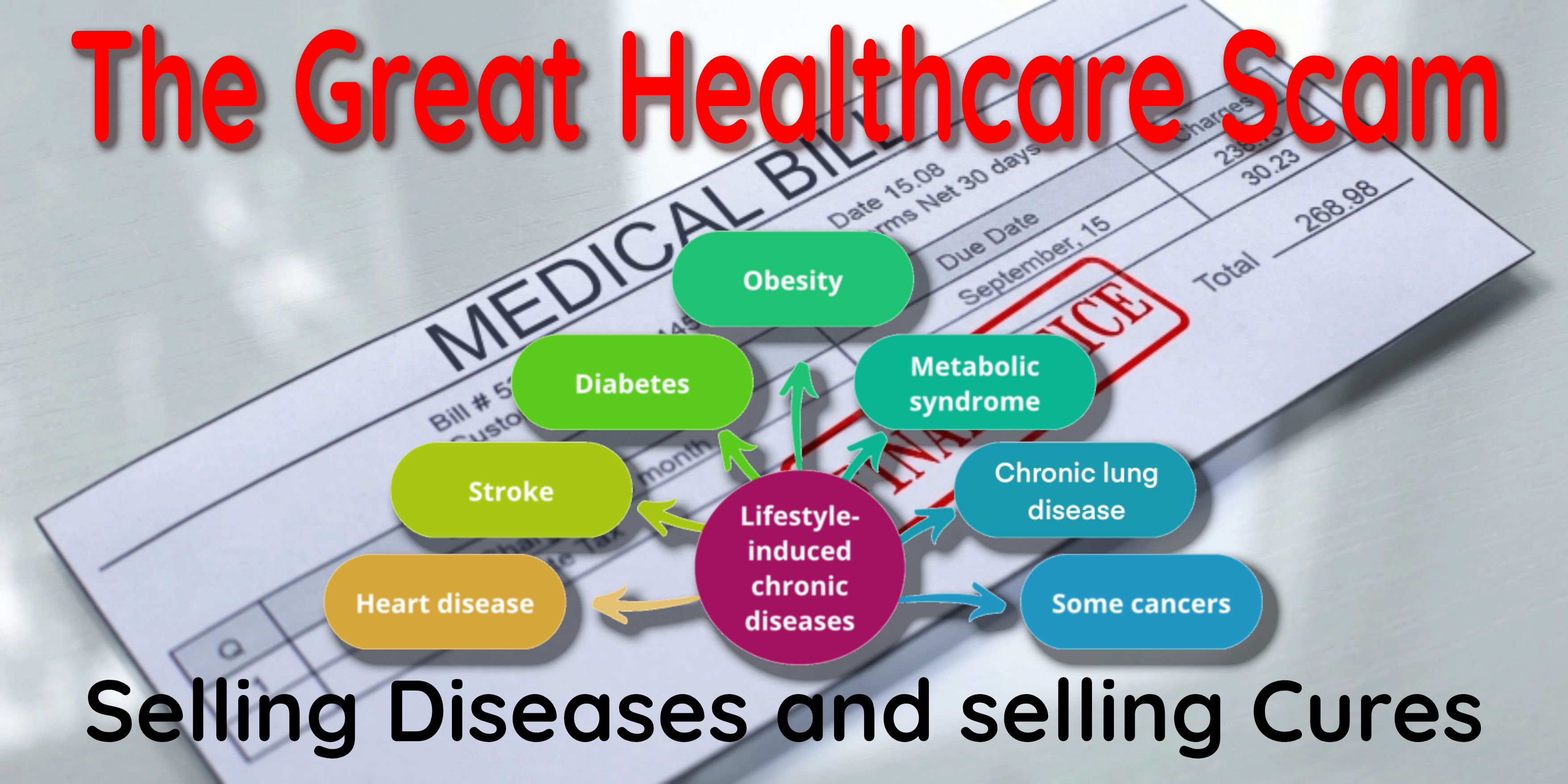
The phrase “Calorie in and out” or energy in and out, is known to us. But Intelligent Eaters warn that ‘Unhealthy’, nutrient poor, fiber missing, junk food, fluid, fruit juices, industrial trans-fat - used in cookies and ready snacks, added sugar, deep fried, highly processed carcinogenic food (which can influence growth of cancer, that are abundance around us in restaurant and also inside the hospital premises), will also provide calorie but are bad for health.
In another words we pay for such food to buy diseases, and when we get diseases then we spend our own money and that of Government (public) fund on curing those sicknesses sold to us.
Is calorie intake age dependent?
Yes, calorie intake is highly age-dependent. Energy requirements typically peak during late adolescence and early adulthood and then gradually decline with age.
Why Calorie Needs Change with Age
- Growth and Development: Children and teenagers require high caloric intake to fuel rapid physical growth and tissue synthesis. For instance, infants may need roughly 100 kcal/kg of body weight, which drops significantly as growth slows in adulthood.
- Metabolic Rate (BMR): As people age, they often lose muscle mass (which is metabolically active) and gain fat. This shift leads to a reduction in the Basal Metabolic Rate (BMR), meaning the body burns fewer calories at rest.
- Activity Levels: Many individuals become less physically active as they get older, further reducing the total daily energy they expend.
Therefore, for balancing of calorie in and calorie out, the most important parameter is the kind of food. That means not only calorie but, the *Glycemic Index and Glycemic Load, the contents of the natural fiber, and other disease protective and health promotive properties of the food, and the varied need of food and fluid for person to person in accordance to his/her body’s condition and energy requirements. These factors should be the criteria in choosing individually suitable diet based on the Suggested guidelines on Daily Need of Energy.
*Glycemic Index and Glycemic Load
Glycemic index indicates how much carbohydrate/sugar the food contains
Glycemic load means how much actual sugar body will get by eating the food (some food in high index, if eaten normally, may not necessarily end up in excess amount of sugar in the body. Watermelon and carrots are examples.
Unhealthy Food
Intelligent Eaters know that any food any moment we put in our mouth, is going to decide whether we get profit or loss in terms of health.
The accumulation of losses over moments, days, months and years due to improper eating - together with using unhealthy cooking methods and materials, smoking and drinking, are the single major underlying cause, among all other factors, responsible for the present global human health scenario of accelerated aging and the steep rise in occurrence of cancers, heart, diabetes, obesity and other diseases.
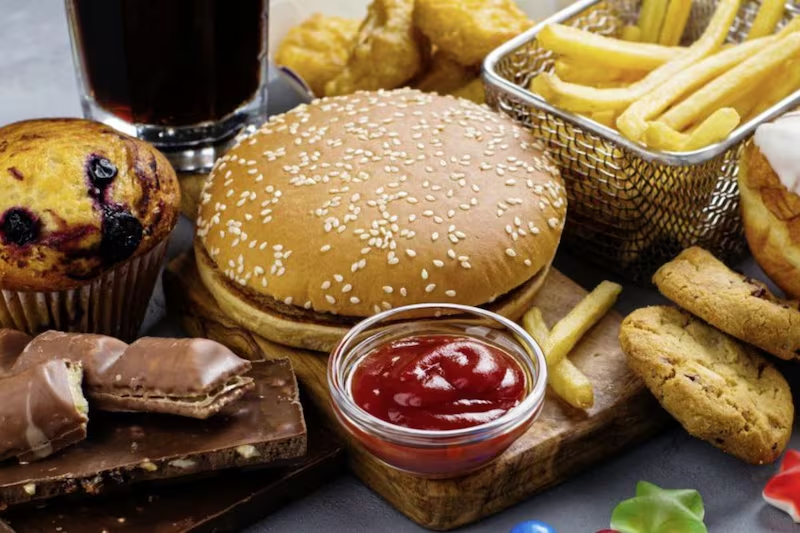
Eating highly refined food - like fiber depleted, skin removed, cereals and grains, pre-prepared vegetables, artificially sweetened fruits, junk foods, processed fluids - such as fruit juice and soda drinks, highly processed meats, poultry and fish present a great risk to health. Force farming of animals, poultry and fish (raised through conventional farming) often means the produce may lack omega-3 EPA, DHA and some other important nutrients, and often contain high levels of amylopectin and other health hazardous substances like antibiotics, hormones, and higher level of toxins like dioxin, furan, mercury and cadmium.
Research at the University of Massachusetts Medical School (UMMS) suggests that occasional eating even small amounts of those unhealthy foods may produce significant changes in gene expression that could negatively impact physiology and health.
Key findings from UMass research regarding unhealthy foods include:
Impact of Food Deserts: Research found that even highly motivated individuals struggle to improve their diets if they live far from stores offering healthy food options.
Dietary Quality and Health: Studies indicate that the "Western diet," which is high in unhealthy, processed, and high-fat foods, promotes overconsumption, weight gain, and chronic inflammation.
Childhood Obesity: UMass researchers have studied the impact of school meals and the need for updated, stricter nutritional standards for children.
Food as Medicine: In response to the prevalence of unhealthy foods, UMass researchers are active in "Food is Medicine" initiatives, which include developing healthier, nutrient-dense alternatives, such as fortifying food with omega-3s and fiber to fight diseases like metabolic syndrome.
Mental Health and Nutrition: Studies have also examined how diets high in unhealthy, processed, or nutrient-deficient foods affect mental health, such as in patients with serious mental illness.
Unhealthy Living

Couples desiring to become parents, their unhealthy eating and lifestyle can be likened to teratogen which causes genetic defects and other congenital, birth defects in the fetus (Baby in the mothers’ womb). Parents should not, and have no right to, cause harm (by their health hostile eating and lifestyle) to their own Baby to be born to them… this is the aim of Intelligent Eaters.
An unborn baby has a greater risk of asthma if the mother or father smoked
Let us campaign for granting every human a right to be born in health by making it mandatory for couples to adopt a healthy eating and life style a year before becoming a parent.
Intelligent Eaters pursue for *Buddhi for understanding "Correct Information" and empower themselves with science evidence based knowledge on medicinal and nutritional contents and values of the food, for further exploring specifically, Individually suitable “Balanced Diet” and eating mindfully, properly, and in moderation to remain in vibrant health throughout the life.
For true knowledge and facts, we depend on the scientific research studies. But then some of the Researchers can receive money from the industries and can cook the research studies to produce a result which looks science evidence based but actually can be a fake, a fraud.
There are myriads of examples of scientific fraud, the R. K. Chandra multivitamin episode is one example.
Even Scientists and their research studies, members of the Board of advisor to Government, or highly trusted organization may get caught by the powerful ensnaring tentacles of Marketing. Besides human error, bad design of research studies, flaws, prejudices, and personal interest of the lead researchers, have constantly been a regular feature behind most of the controversies and disagreement on the findings of studies.
Read more at: What is Correct Information?
Honest, well done research studies, carried out by committed honest researchers, which are funded or supported by government and trusted organizations, institution and others, and which are protected from the infiltration of vested interests, the findings of such studies on health and nutrition, are often disposed of as inconclusive or, if the suggestion given based on evidences, in a very scary manner making it difficult for the ordinary people to understand and follow; this is so because many economies are based on selling ill-health and cures.
…Most of us, commoners to doctors, and sometimes even renowned Scientists and Nobel laureate, get to know and recommend to others, what the vested interests want us to know and do.
One example is that many people believe, because of high tech marketing methods, that taking mega-doses of certain vitamins will act like medicine to cure or prevent certain ailments. For instance, vitamin C is suggested as a cure for the common cold, and vitamin E supplement is widely promoted as a beneficial antioxidant to help prevent heart disease; but the decades of extensive large scale research studies, involving large meta-analysis, have consistently concluded that there is no more health benefit in taking anti-oxidant dietary supplements or mega-doses of vitamin supplements than can be gained from eating natural foods.
Contrary to the present belief of many people and clinicians, there is some evidence that taking high-dose supplements to prevent or cure major chronic diseases, such as heart disease and cancer, may be harmful to health.
The Cochrane Library reviews did not find any proof that antioxidant dietary supplements prevent cancer or other life-threatening diseases. Excessive doses can even increase the risk. The Cochrane Review - Supplements
Antioxidant dietary supplements do not help prevent cancer and other life-threatening conditions. Excessive doses of the antioxidants vitamin A, vitamin E and beta carotene can
even increase the risk of dying sooner.
PubMed Health
Therefore let us use our *Buddhi logic, and eat natural foods, properly and healthily because “No supplements can supplant natural food&rdguo;.
At times however, supplements can become essential to assist in maintaining health; “in such case, let us follow the advice of honest medical doctors, not the industries”, Intelligent Eaters suggest.
Summary
Intelligent Eaters are Gurus of their own body; they do not search for, or follow Hoki Poki gurus who either have little real knowledge on health or little real knowledge of chemistry or physiology but are inspired to provide health information on health or cures either for their financial gain or for their name and fame.
In many developing countries, clerics have become most suitable tools of vested interest to market unnecessary, often unhealthy - even injurious, products and devices to be sold easily along with some healthy products.
Intelligent Eaters clearly understand that health cannot be purchased. Health is in our correct knowledge and in making efforts to protect the body from diseases and unhealthy unnatural aging (untimely become old). Cure becomes essential only when health has deteriorated and lost. Therefore, for health, quality of life, and reducing poverty, It prudent to spending money on healthy eating and on protection of health to avoid wasting money on curing those 75% of diseases that modern humans are presenlty suffering from like Cancer, diabetes and others, including Cardio Vascular Disease (Heart diseases) that are actually avoidable.
BBC News, Washington - Should drug firms make payments to doctors?
BMJ – British Medical Journal - Should Doctors Be 'Selling' Drugs For The Pharmaceutical Industry?.
REFERENCES:
TERATOGEN. Citation: Miller-Keane Encyclopedia and Dictionary of Medicine, Nursing, and Allied Health, Seventh Edition. © 2003 by Saunders, an imprint of Elsevier, Inc. All rights reserved.