

What is Sugar?
Sugar is a generic term for sweet-tasting, soluble carbohydrates. In everyday terms, it refers to table sugar (sucrose), but in science, it encompasses simple sugars (monosaccharides like glucose and fructose) and double sugars (disaccharides like lactose and maltose). The body breaks these down to use as its primary energy source.
Is sugar bad for health?
Sugar isn’t inherently bad – your cells need it for energy.
The trouble lies entirely in the difference between natural, whole-food sugars and added, processed ones
Sugar isn’t inherently bad – your cells need it for energy. However, consuming too much added sugar – found in sweets, sweetened drinks, and processed foods – is strongly linked to weight gain, tooth decay, type 2 diabetes, and heart disease. Natural sugars in whole fruits and dairy are perfectly healthy.
The trouble lies entirely in the difference between natural, whole-food sugars and added, processed ones:
- Natural Sugars:
Found organically in whole foods like apples, berries, and milk. These foods are accompanied by water, fiber, and protein, which slow down digestion and prevent dangerous blood sugar spikes. - Added Sugars:
Sugars and syrups added to foods (like cookies, pasta sauce, and bread) by manufacturers. Because they lack fiber, these "empty calories" cause blood sugar spikes and crashes, overload your liver, and trigger fat storage.
Health authorities suggest minimizing added sugars as much as possible. For general guidelines, major health organizations recommend keeping your daily added sugar intake to less than 10% of your total calories (or roughly no more than 6 teaspoons for the average adult).
Cancer and Sugar - Busting the Myth
Read our article: Cancer and Sugar, The Facts
Carbohydrates (Sugar) in diet
Carbohydrates are your body's primary and preferred source of energy, fueling everything from physical movement to essential brain and nervous system functions. They provide glucose (body sugar) for cellular metabolism, to preserve muscle protein from being used for fuel, and supply dietary fiber to promote digestive and cardiovascular health.
The Essential Roles of Carbohydrates
- Energy Production:
During digestion, carbohydrates are broken down into glucose, which acts as the main fuel source for your muscles, organs, and brain. - Protein Sparing:
By providing an adequate supply of carbs, your body avoids breaking down muscle tissue and dietary proteins to use as an emergency energy source. - Digestive Health:
Dietary fiber - a type of complex carbohydrate - aids in maintaining bowel regularity, stabilizing blood sugar levels, and managing cholesterol. - Brain Function:
The brain relies heavily on glucose for optimal cognitive function.
Types of Carbohydrates
Not all carbohydrates act the same way in the body. The quality of the carbohydrate determines its impact on your health:
- Complex Carbohydrates: ✔
These include starches and fiber. They take longer to break down in the body, providing a slow, steady release of energy and helping you feel fuller for longer. Excellent sources include whole grains (like brown rice, wholegrain bread, and oats), beans, legumes, and skin-on potatoes. - Simple Carbohydrates: ✘
These include natural sugars found in fruits and dairy, as well as "free" or added sugars. While fruit provides essential vitamins, processed foods with high amounts of added sugars digest rapidly, leading to blood sugar spikes and potential long-term metabolic risks.
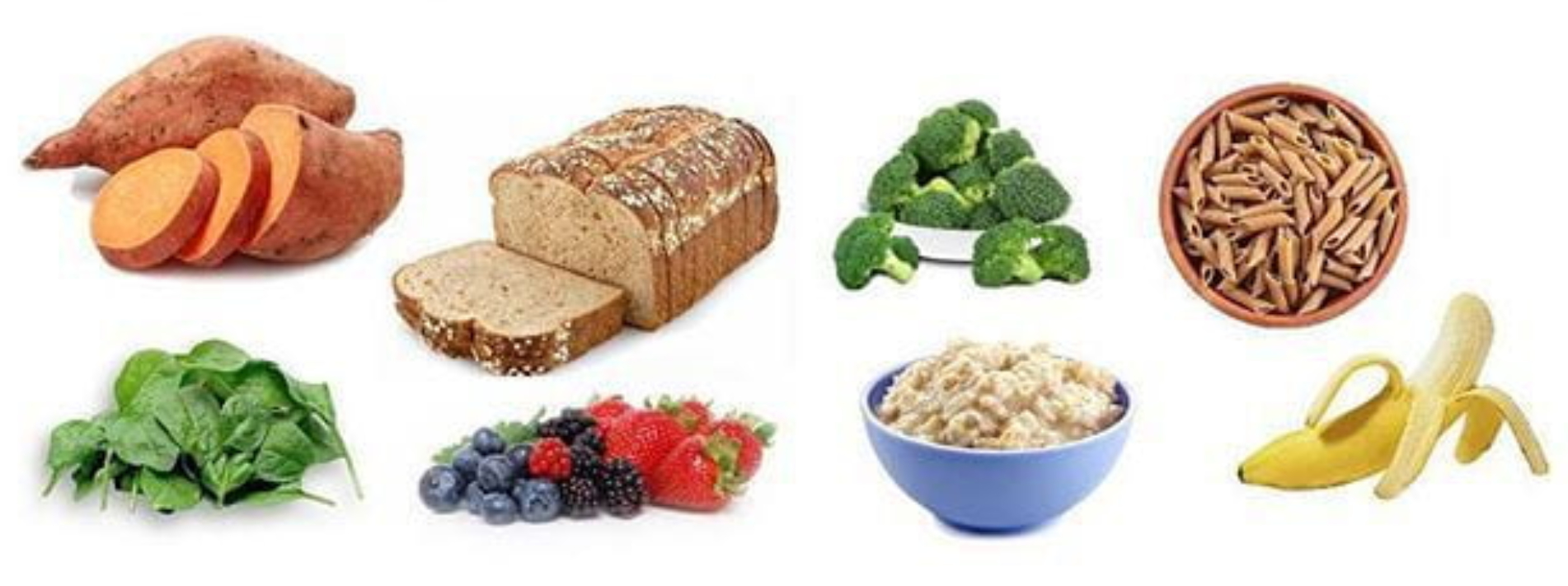
Complex Carbs

Simple Carbs
How to Include Good Carbs in Your Diet
Health authorities recommend that carbohydrates make up roughly a third of your diet, with a minimum daily intake of 130g for adults. To make the best choices for your diet, it is recommended to prioritize:
- Whole Fruits and Vegetables:
Opt for whole produce over fruit juices to retain vital cellular structure and fiber. - Wholegrains:
Choose wholemeal over refined white options (like white bread and pasta) to ensure you are also getting necessary vitamins, minerals, and dietary fiber.
Reduce Bad Carbs from Your Diet
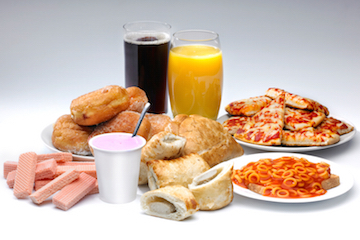
Bad Carbs: Foods containing added processed sugars
- Reduce Added Sugars:
Minimize your intake of free sugars often found in sweets, cakes, and sugary beverages to maintain healthy blood sugar levels and body weight.
Why do food manufacturers put extra sugar in processed foods?
Food makers add extra sugar to processed foods to make them taste better, keep them fresh for longer, and improve their texture. It acts as a cheap ingredient to hide bitter flavors and replace lost fats in “low-fat” products. It also causes cravings, which makes you want to buy more.
Here is exactly why sugar is used in everyday items:
- Flavor and Balance: Sugar does not just make things sweet. It hides bitter flavors in foods like Tomato Ketchup and Pasta Sauce, and balances sour flavors.
- Longer Shelf Life: Sugar acts like a sponge. It absorbs water. Without water, mold and bacteria cannot grow as fast. This keeps food from going bad quickly.
- Better Texture and Bulk: Sugar gives foods their shape and feel. For example, it makes Ice Cream creamy and Sandwich Bread soft.
- Nice Colors: When sugar is heated, it turns brown. This makes baked goods look toasted and delicious.
- Making Yeast Grow: In baking, sugar is food for yeast. Yeast eats the sugar to create gas (CO?), which makes Bread rise.
You can check how much extra sugar is added by reading the Nutrition Facts Label on the back of the package. Look out for words like sucrose, high-fructose corn syrup, and maltose.
How many types of sugar are there?
Sugar can be classified in two main ways: by its chemical structure (the simple and complex building blocks of carbohydrates) and by how it is processed and used in your kitchen.
- Chemical Types of Sugar
- Glucose:
The primary energy source for your body and brain. It is found naturally in fruits, vegetables, and honey. - Fructose:
Known as ‘fruit sugar”, this is the sweetest of the simple sugars and is found in fruits and honey. - Galactose:
A naturally occurring sugar found primarily in dairy products and peas. - Sucrose:
Also known as table sugar, this is a disaccharide made by binding glucose and fructose together. It is commercially extracted from sugarcane or sugar beets. - Lactose:
Found exclusively in milk and dairy products, this combines glucose and galactose. - Maltose:
Found in sprouted grains, this sugar is formed by two glucose molecules binding together. - Culinary and Processed Sugars
- White Granulated Sugar:
The standard, highly refined sucrose used in everyday cooking and baking. - Caster Sugar:
A super-fine version of white sugar that dissolves quickly, making it ideal for meringues and syrups. - Brown Sugar:
Can be unrefined (like Muscovado) or refined white sugar with added molasses. It brings a moist texture and caramel flavor to baked goods. - Powdered/Confectioners' Sugar:
White sugar ground into a fine powder and mixed with a little cornstarch to prevent caking. It is primarily used for icings and glazes. - Raw Sugar:
Less refined versions of cane sugar (like Turbinado or Demerara) that retain a hint of natural molasses and have larger, coarser crystals.
Chemically, all sugars fall into categories based on their molecular structure, primarily split into simple sugars (monosaccharides) and compound sugars (disaccharides):
In cooking and baking, sugars are typically grouped by how they are refined and the size of their crystals:
Whether you're exploring the health effects of various simple sugars or looking for the right crystal size to elevate your baking, you can use comprehensive guides on Sugar.org or the British Heart Foundation to learn more about their properties.
What is the problem with processed sugars?
Processed sugars lack fiber and nutrients. This allows your body to digest them very quickly. This causes rapid spikes in your blood sugar. Over time, this rapid processing taxes your organs and leads to weight gain, an increased risk of type 2 diabetes, and heart disease.
Why Processed Sugars Cause Problems:-
- Blood Sugar Spikes:
In nature, sugar comes with fiber. Fiber acts like a speed bump. It slows down digestion. Processed sugar lacks fiber. It causes an instant rush of energy. This overworks your body. - Insulin Resistance:
Insulin is a hormone that unlocks your cells to let sugar in. Imagine your cells as a locked door. Processed sugar causes a flood of insulin. Over time, your cells stop listening to the key. This condition is called insulin resistance. It often leads to type 2 diabetes. - Hidden Calories:
Processed sugar is often added to everyday foods like bread, soup, and sauces. This makes it very easy to eat far more sugar than you realize. - Weight Gain:
The brain views processed sugar as a reward. This can trigger addictive cravings. Sugar gives your body more energy than it can burn at once. This extra energy is converted into stored fat. - Liver Overload:
Your liver has to process large amounts of sugar. Too much processed sugar forces the liver to turn the excess into fat. This can lead to fatty liver disease.
How to Make Smarter Choices
Check food packaging labels for "added sugars" to see how much has been put into a product.
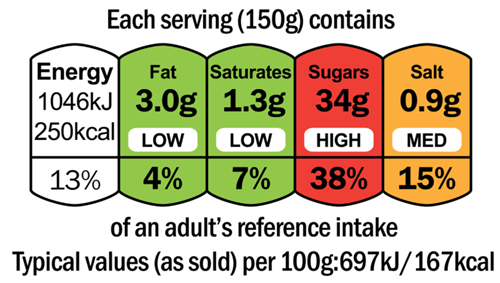
UK food packaging nutrition label
Choose whole, unprocessed foods like fresh fruit. Whole fruits contain natural sugars alongside vitamins and helpful fiber.
Visit the NHS Sugar Facts or the CDC Added Sugars Guide to see clear guidelines on safe daily limits.
What's the unhealthiest sugar?
From a health perspective, High-Fructose Corn Syrup (HFCS) and concentrated liquid sugars are considered the worst.
Unlike glucose, which every cell in the body can use for energy, fructose is metabolized almost exclusively by the liver. Consuming high amounts of fructose-especially in liquid forms like sodas and-rapidly overloads the liver, forcing it to convert the excess sugar directly into fat. This process significantly increases the risk of weight gain, insulin resistance, non-alcoholic fatty liver disease, and cardiovascular issues.
To protect your metabolic health, you should be aware of these particularly harmful forms of sugar:
- High-Fructose Corn Syrup (HFCS):
Commonly found in commercial soft drinks, condiments, and processed snacks. It is highly concentrated and does not signal the brain that you are full the way solid foods do, often leading to overeating. - Liquid Sugars:
Soda, energy drinks, and fruit juices provide a "bomb" of sugar without any fiber to slow down absorption, causing massive, damaging spikes in blood sugar and. - Agave Nectar:
Despite being marketed as a healthy natural alternative, agave is roughly 85% fructose, which gives it an even higher fructose concentration than standard table sugar.
For more evidence on how simple sugars and high-fructose diets impact your system, read this comprehensive breakdown from Harvard T.H. Chan Added Sugar or review the Johns Hopkins Medicine guide to added sugars and sugar substitutes.
What is the healthiest sugar?
There is no single "healthiest" sugar because your body processes all natural and refined caloric sugars (like table sugar, honey, and maple syrup) similarly, turning them into glucose for energy. The best option depends on your dietary goals, such as managing blood sugar or lowering caloric intake.
How do I know if food has added sugar?
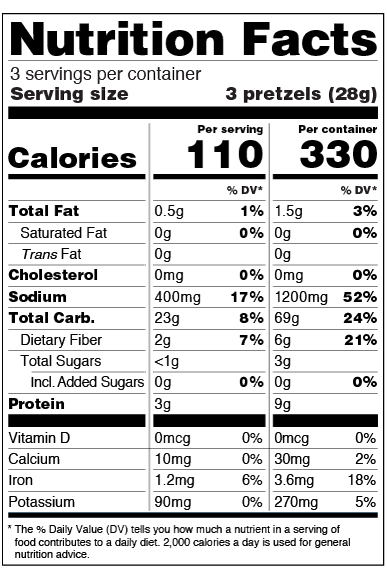
US food packaging nutrition label
US food packaging nutrition label
To quickly determine if a food has added sugar, check the product's Nutrition Facts label for the specific "Added Sugars" line under "Total Sugars". You can also scan the Ingredients list for common aliases, remembering that ingredients are listed in order of weight, from highest to lowest quantity.
1. Read the Nutrition Facts Label
Look below "Total Sugars" on the back of the package. The label explicitly breaks out how many grams (and the percent Daily Value) of sugar were added during processing, distinct from naturally occurring sugars (like in fruit or milk).
Products with 5% or less of the Daily Value are considered low in added sugars.
Products with 20% or more are considered high.
2. Check the Ingredients List
If a label doesn't break down added vs. natural sugars, or if you want to know what exactly was added, scan the ingredients. Manufacturers often hide added sugars under different names. Be on the lookout for these common aliases:
Syrups and Concentrates: High-fructose corn syrup, corn syrup, agave syrup, rice syrup, malt syrup, and fruit juice concentrates.
Words ending in "-ose" (sugars): Sucrose, fructose, dextrose, maltose, and lactose.
Other common names: Cane sugar, raw sugar, molasses, barley malt, caramel, and honey
References
There’s 262 names for sugar in food! WHAT ARE THEY? - lilsipper.com, January 19, 2025
The sweet danger of sugar - Harvard Health Publishing, April 6, 2026
Sugar: the facts - NHS UK
Is Fruit Sugar Bad for You? - Integris Health, 21 March 2025
11 Reasons Why Too Much Sugar Is Bad for You - Healthline, Updated on February 13, 2026