
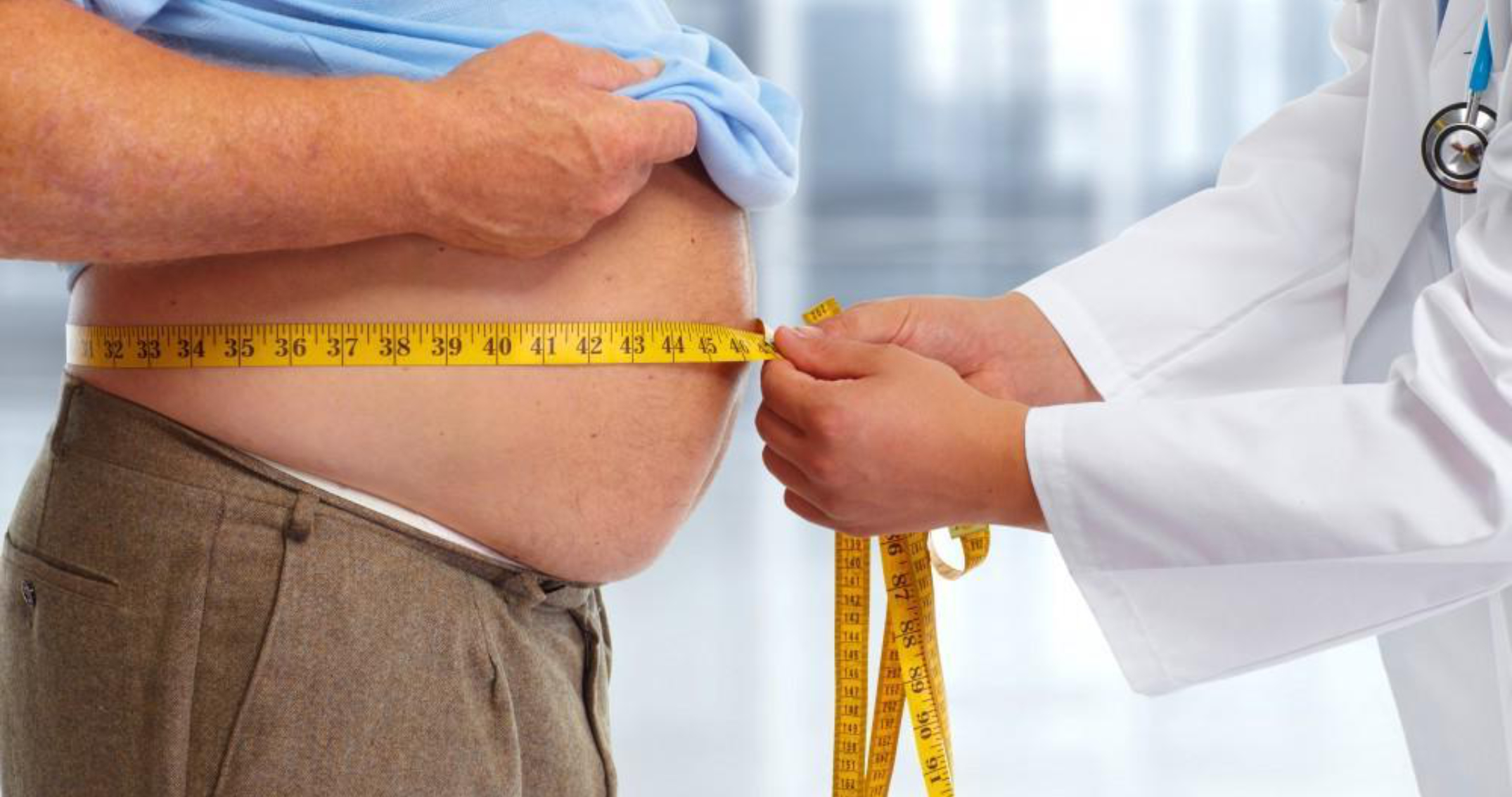
Obesity
Defining Obesity
What is 'Obesity'?
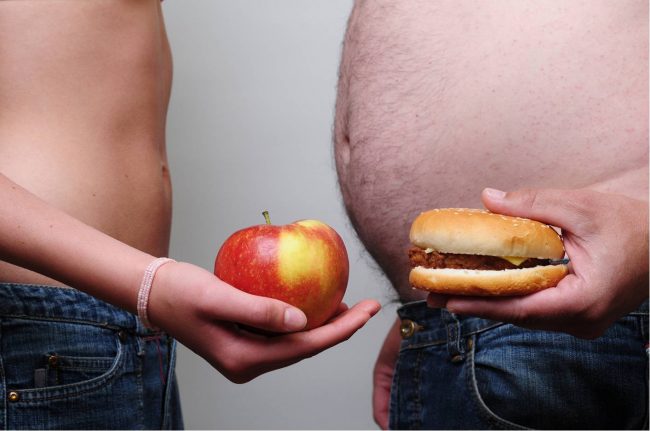
The term 'obese' describes a person who is very overweight, with a lot of body fat.
Classifying Obesity
There are many ways in which a person's health in relation to their weight can be classified, but the most widely used method is Body Mass Index (BMI).
BMI is a measure of whether you're a healthy weight for your height; however, be aware that the BMI index should only be used as a tool to assist in defining Obesity as it does not take into account other defining factors such as gender, age, ethnicity, and so on.
You can use a BMI healthy weight calculator to work out your score.
See NHLBI BMI calculator
For most adults, a BMI of:
Below 18.5 means you are classed as underweight
18.5 to 24.9 means you're a healthy weight
25 to 29.9 means you're overweight
30 to 39.9 means you're obese
40 or above means you're severely obese
The problem with the BMI
New research from Italy, set to be presented at the European Congress on Obesity (ECO 2026, Istanbul, Turkey, 12-15 May) and published in MDPI journal Nutrients, suggests that the widely used body mass index (BMI) system may not be as reliable as once thought. When researchers used dual-energy X-ray absorptiometry (DXA), considered the gold standard for measuring body fat, they found that BMI frequently misclassifies people as overweight or obese.
BMI isn't used to definitively diagnose obesity, because people who are very muscular sometimes have a high BMI without excess fat. But for most people, BMI is a useful indication of whether they're a healthy weight, overweight or obese.
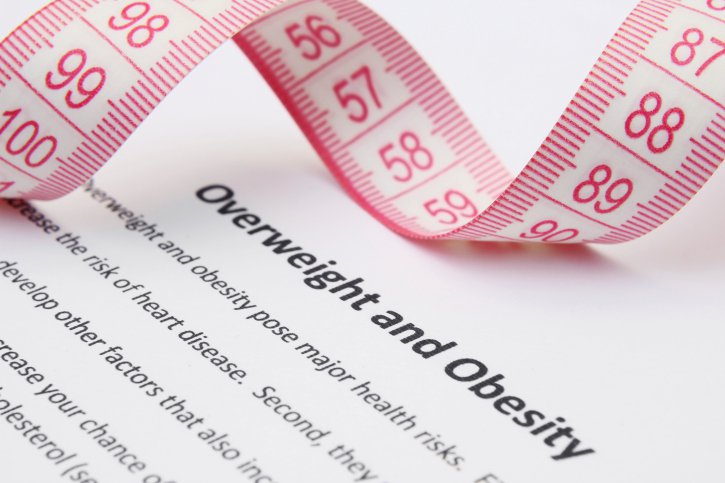
A better measure of excess fat is waist circumference, which can be used as an additional measure in people who are overweight (with a BMI of 25 to 29.9) or moderately obese (with a BMI of 30 to 34.9).
Generally, men with a waist circumference of 94cm (37in) or more and women with a waist circumference of 80cm (about 31.5in) or more are more likely to develop obesity-related health problems.
Health issues from Obesity
Obesity is a health problem that is becoming increasingly prevalent in countries throughout the world leading to many previously population limited health issues such as
Type 2 Diabetes, high blood pressure, coronory heart disease, and several types of cancer.
Obesity is a health problem that is becoming increasingly prevalent in countries throughout the world.
The increase of Obesity is leading to many previously population limited health issues such as Type 2 Diabetes, high blood pressure, coronory heart disease, and several types of cancer.
The WHO reports that rates of overweight and obesity continue to grow in adults and children. From 1990 to 2022, the percentage of children and adolescents aged 5–19 years living with obesity increased four-fold from 2% to 8% globally, while the percentage of adults 18 years of age and older living with obesity more than doubled from 7% to 16%.
Causes of obesity
Obesity is generally caused by consuming more calories – particularly those in fatty and sugary foods – than you burn off through physical activity. The excess energy is stored by the body as fat.
Obesity is an increasingly common problem because for many people modern living involves eating excessive amounts of cheap, high-calorie food and spending a lot of time sitting down, at desks, on sofas or in cars.
There are also some underlying health conditions that can occasionally contribute to weight gain, such as an underactive thyroid gland (hypothyroidism), although these type of conditions don’t usually cause weight problems if they're effectively controlled with medication.
The best way to treat obesity is to eat a healthy, reduced-calorie diet and exercise regularly.
For real Weight Loss information click this link
Serious health conditions
Being obese can also increase your risk of developing many potentially serious health conditions, including:
- type 2 diabetes – a condition that causes a person's blood sugar level to become too high high blood pressure
- high cholesterol and atherosclerosis (where fatty deposits narrow your arteries), which can lead to coronary heart disease and stroke
- asthma
- metabolic syndrome – a combination of diabetes, high blood pressure and obesity several types of cancer, including bowel cancer, breast cancer and womb cancer
- gastro-oesophageal reflux disease (GORD) – where stomach acid leaks out of the stomach and into the oesophagus (gullet)
- gallstones – small stones, usually made of cholesterol, that form in the gallbladder
- reduced fertility
- osteoarthritis – a condition involving pain and stiffness in your joints
- sleep apnoea – a condition that causes interrupted breathing during sleep, which can lead to daytime sleepiness with an increased risk of road traffic accidents, as well as a greater risk of diabetes, high blood pressure and heart disease
- liver disease and kidney disease
- pregnancy complications, such as gestational diabetes or pre-eclampsia (when a woman experiences a potentially dangerous rise in blood pressure during pregnancy)
Obesity reduces life expectancy by an average of 3 to 10 years, depending on how severe it is.
Other obesity-related problems
Obesity can cause a number of further problems, including difficulties with daily activities and serious health conditions.
Day-to-day problems related to obesity include:
- breathlessness
- increased sweating
- snoring
- difficulty doing physical activity
- often feeling very tired
- joint and back pain
- low confidence and self-esteem
- feeling isolated
The psychological problems associated with being obese can also affect your relationships with family and friends, and may lead to depression.
Outlook
There's no “quick fix” for obesity; even weight-loss jabs (like Wegovy and Mounjaro) are not a quick fix or a “silver bullet” for long-term weight management. Weight loss programmes take time, appropriate support, and commitment, and work best when fully completed and maintained. The healthcare professionals involved with your care should provide encouragement and advice about how to maintain the weight loss achieved.
Regularly monitoring your weight, setting realistic goals and involving your friends and family with your attempts to lose weight can also help.
Remember that even losing what seems like a small amount of weight, such as 3% or more of your original body weight, and maintaining this for life, can significantly reduce your risk of developing obesity-related complications like diabetes and heart disease.
Also, keep in mind that there is a lot of mis-information on weight loss, and a lot of
unscrupulous people who will provide you with ‘miracle cures’, ‘guaranteed’ weight loss products, and ‘no exercise’ regimes.
Most of these are, at best, a complete waste of time and money and, at worst, dangerous to your health and well-being.
Read more at: Obesity - Can you believe it?
So beware the 'fraudsters' and instead pursue Buddhi, a healthy food diet, and a correct healthy lifestyle in order to avoid obesity.
Links:
National Health Service, UK — Introduction to Obesity
SciTechDaily — Your BMI Might Be Wrong: Study Finds Millions Are Misclassified
WHO Obesity